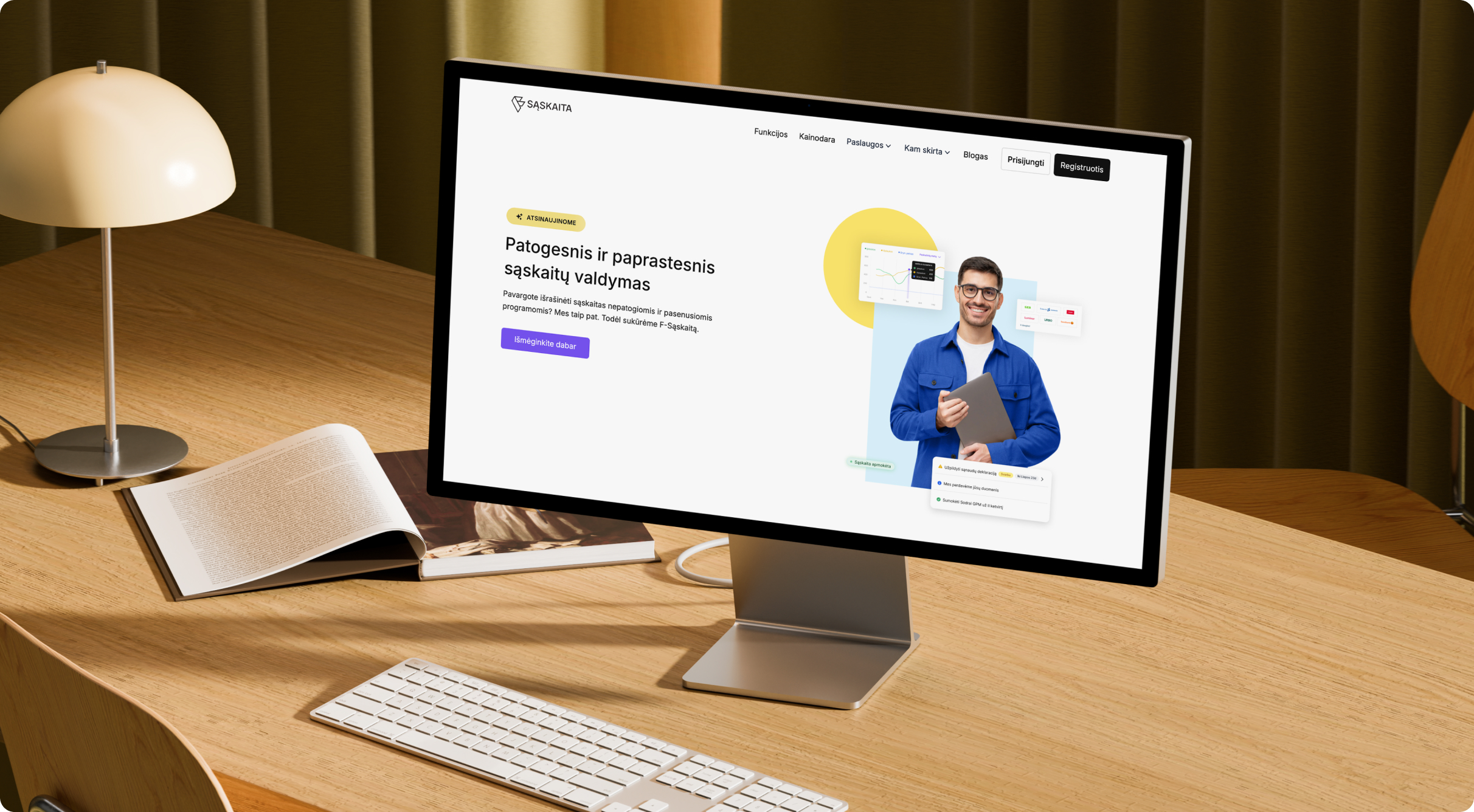
Overview
F-saskaita is a Lithuanian invoicing and accounting platform that simplifies financial admin for small businesses through automation. For me it was personal too: proof that I could take years of building other people's products and create something from scratch that reaches real product-market fit and a profitable business model.
It launched as a free invoicing tool to test the market. Within six months it had thousands of users, which proved demand and opened Phase 2: a sellable, automated accounting product. I led design across that phase, but first helped answer the harder question through a full business analysis: who is this for, and what will they pay for?
Details
Project Scope



The Business Analysis
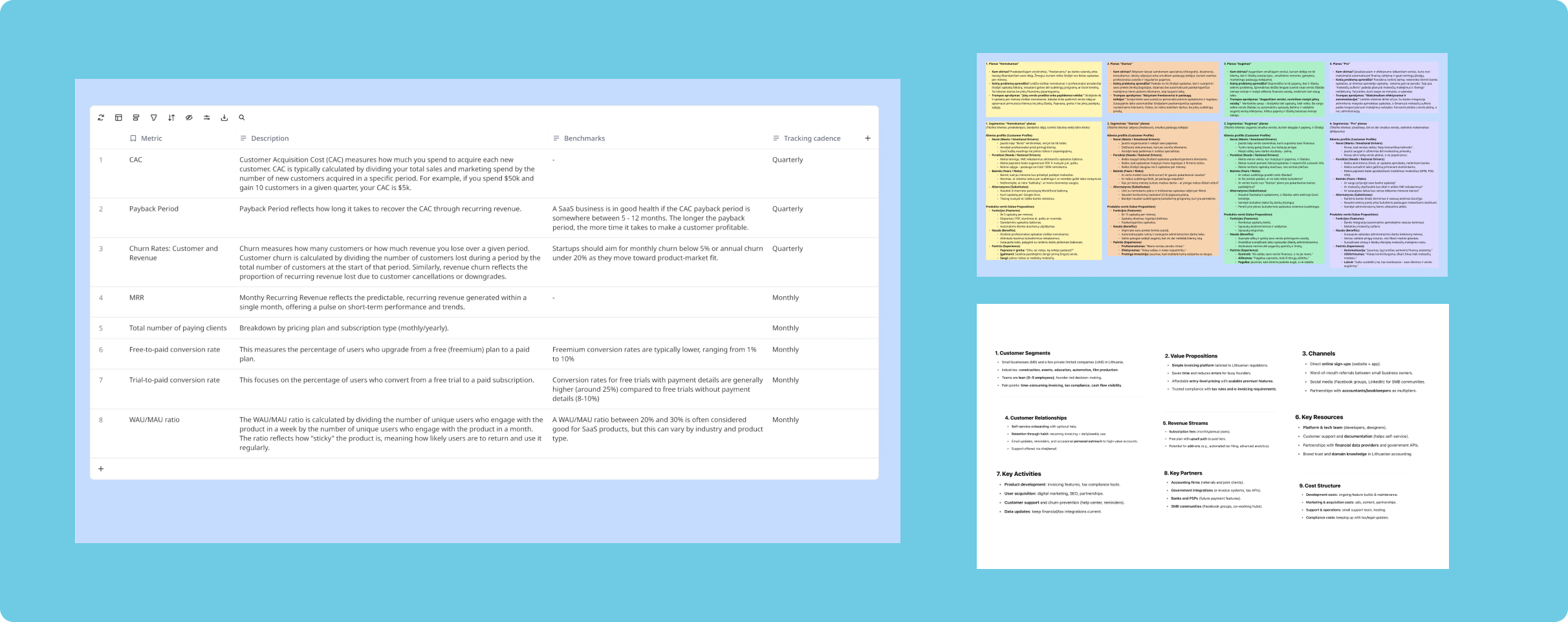
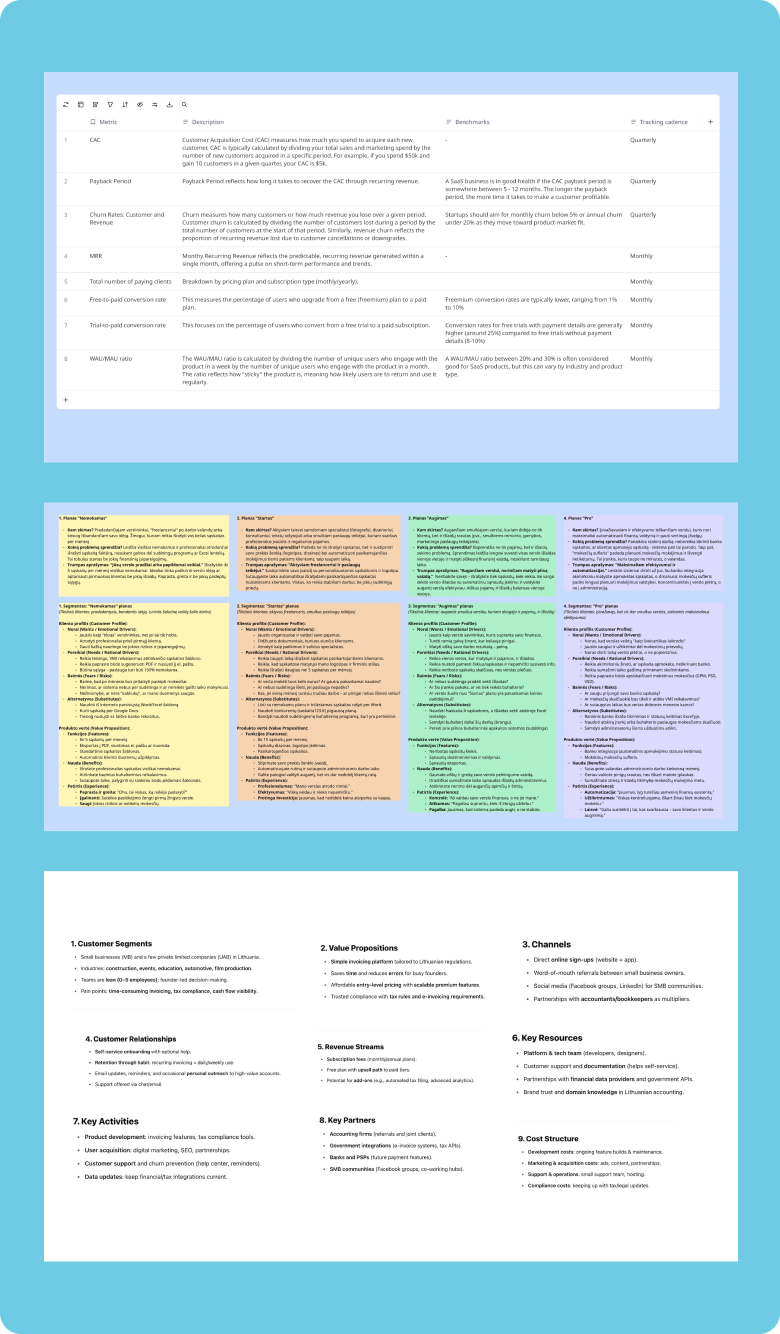
This is where the project started. Instead of guessing, I ran a structured analysis to ground every later decision in evidence. I synthesised user interviews into clear themes: simplicity above all, the pain of manual handover to accountants, and a wish for notifications and integrations. I ran the product through three PMF frameworks (Arc, Fletch, and the 4 Fits), which confirmed our edge was accountant integration, compliance timing, and simplicity, not feature count.
I mapped the business in a Business Model Canvas, then built customer tier profiles from real registry financials. Splitting users into Tier 1 and Tier 2 surfaced one key insight: our revenue share per customer was tiny, under 0.2 percent. That reframed the roadmap around upsell and deeper integration rather than chasing sign-ups. An eight-stage customer journey then showed exactly where users dropped off. The analysis became the brief for everything that followed.
The Feedback Loop
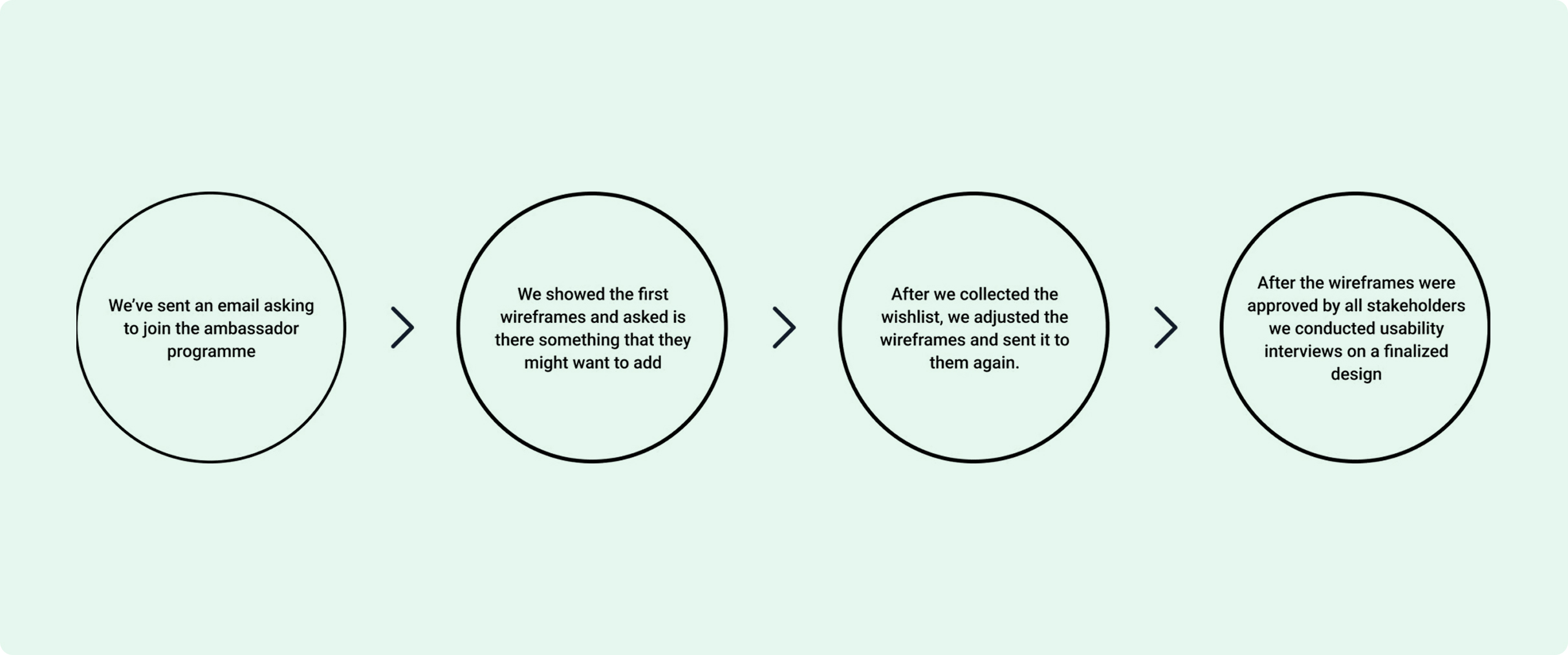
F-saskaita's early users were fans, so I made them design partners. Show early wireframes, ask what's missing, adjust, send back. The most engaged users joined an ambassador program and ran usability interviews on the final designs. It kept us honest and validated the big accounting build in small pieces rather than one risky bet.
Onboarding
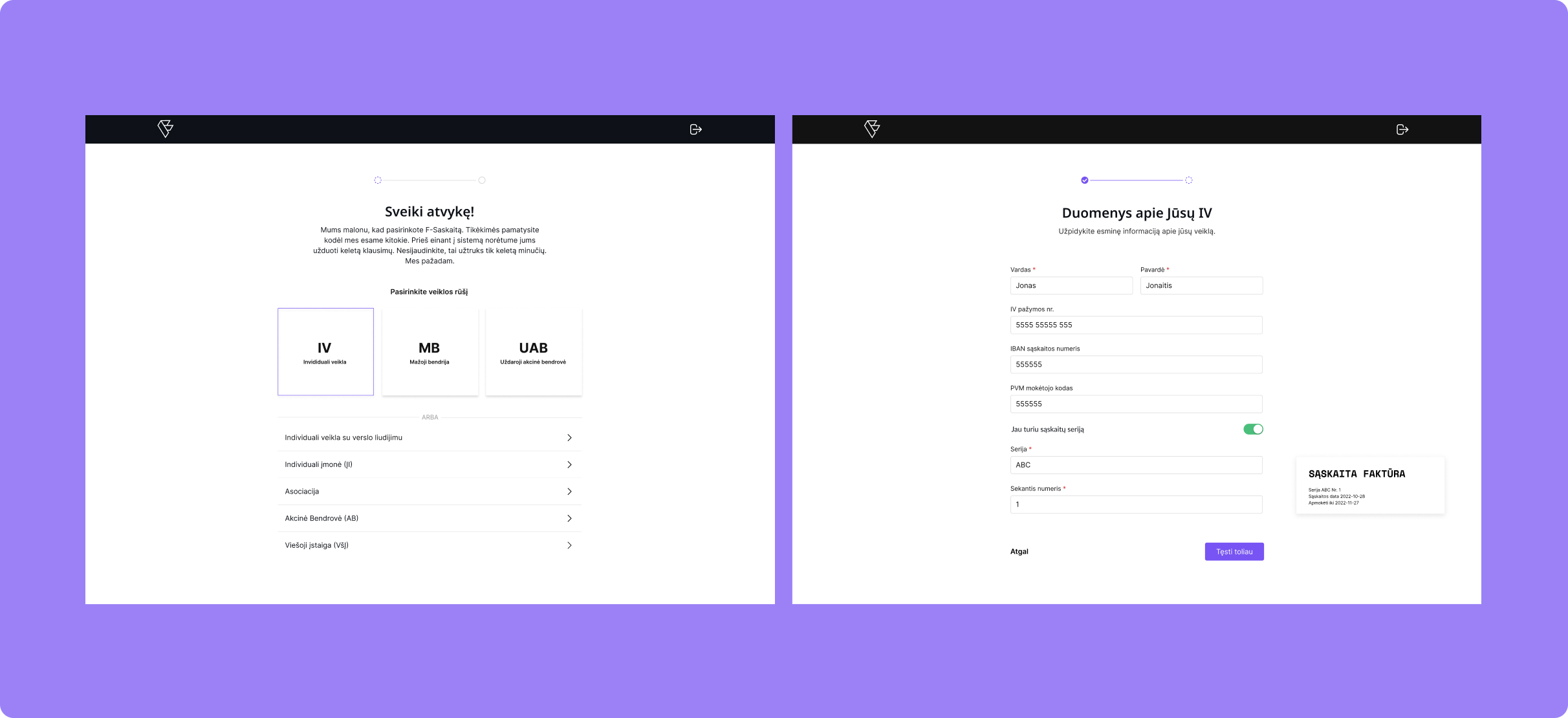
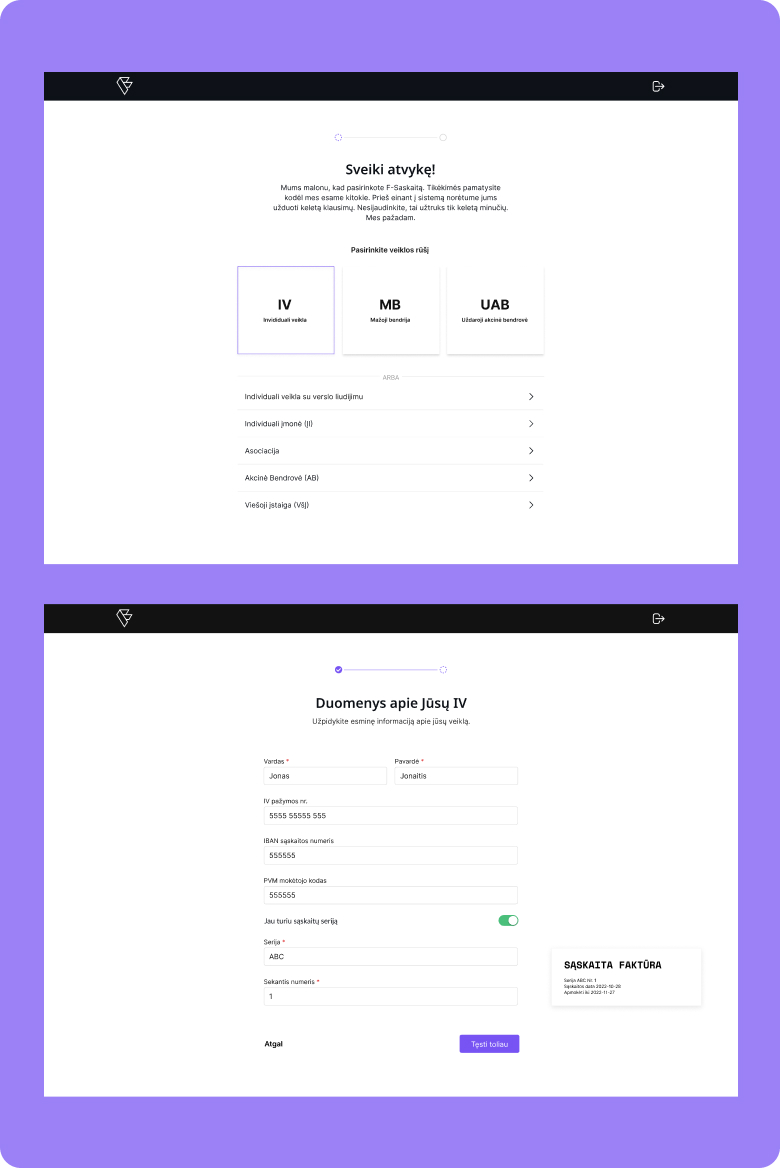
Lithuanian business types carry different tax rules, so the first choice matters. I built onboarding around one clear decision: pick your business type (IV, MB, UAB), with common options as large cards and the rest in a list below. From there we collect only the essentials, with sensible defaults. No matter the business type, setup is done in three steps max. Customers singled this out as the best onboarding in the region, getting them from sign-up to first invoice faster than anything else they'd used.
The Dashboard
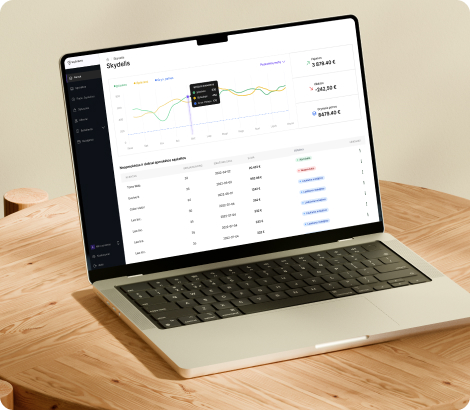
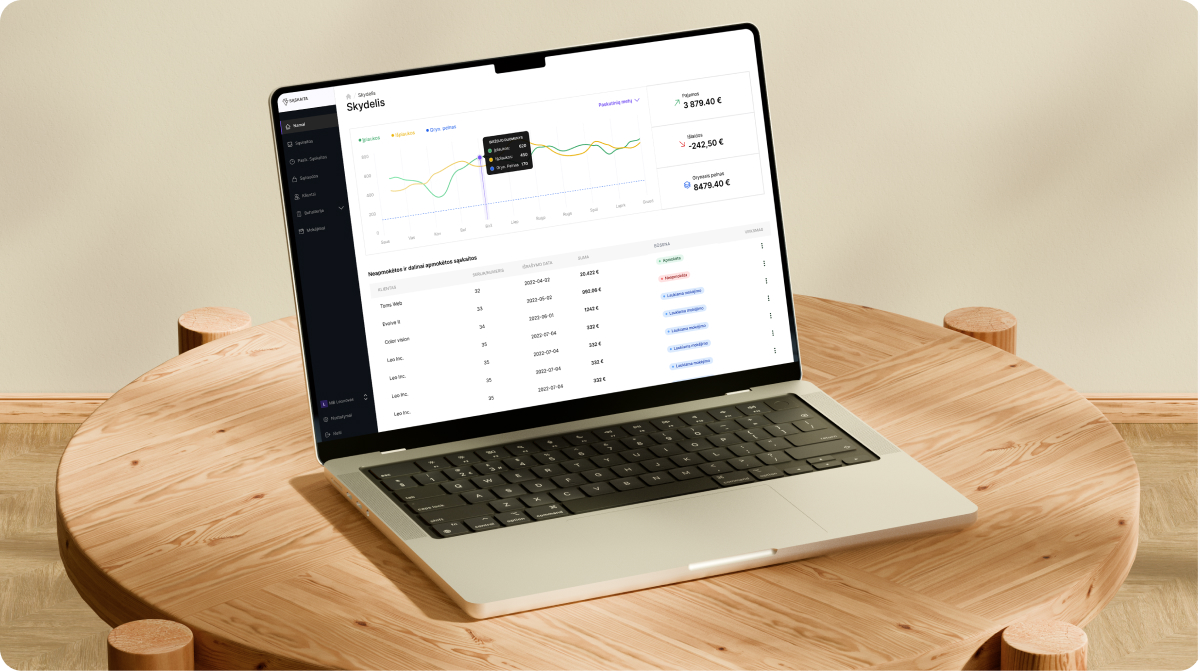
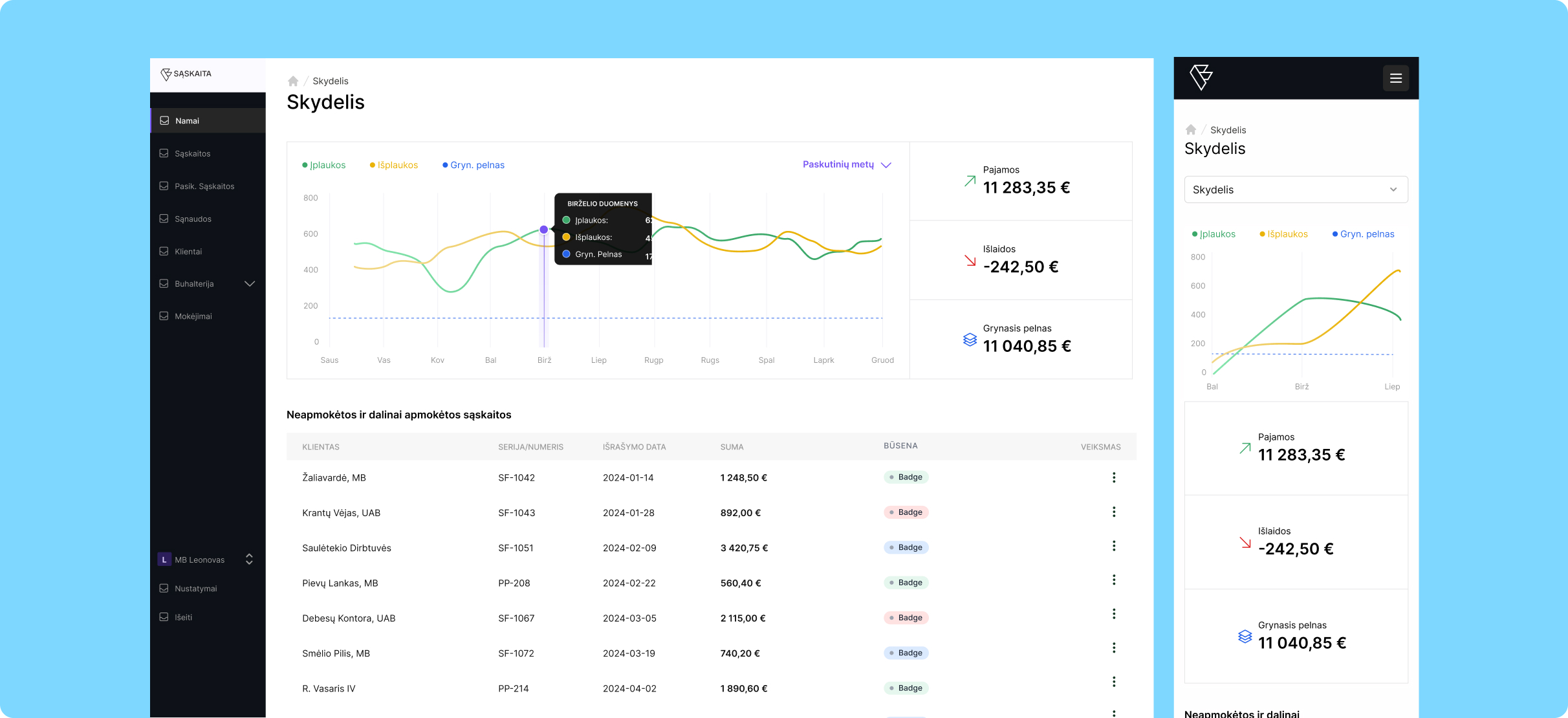
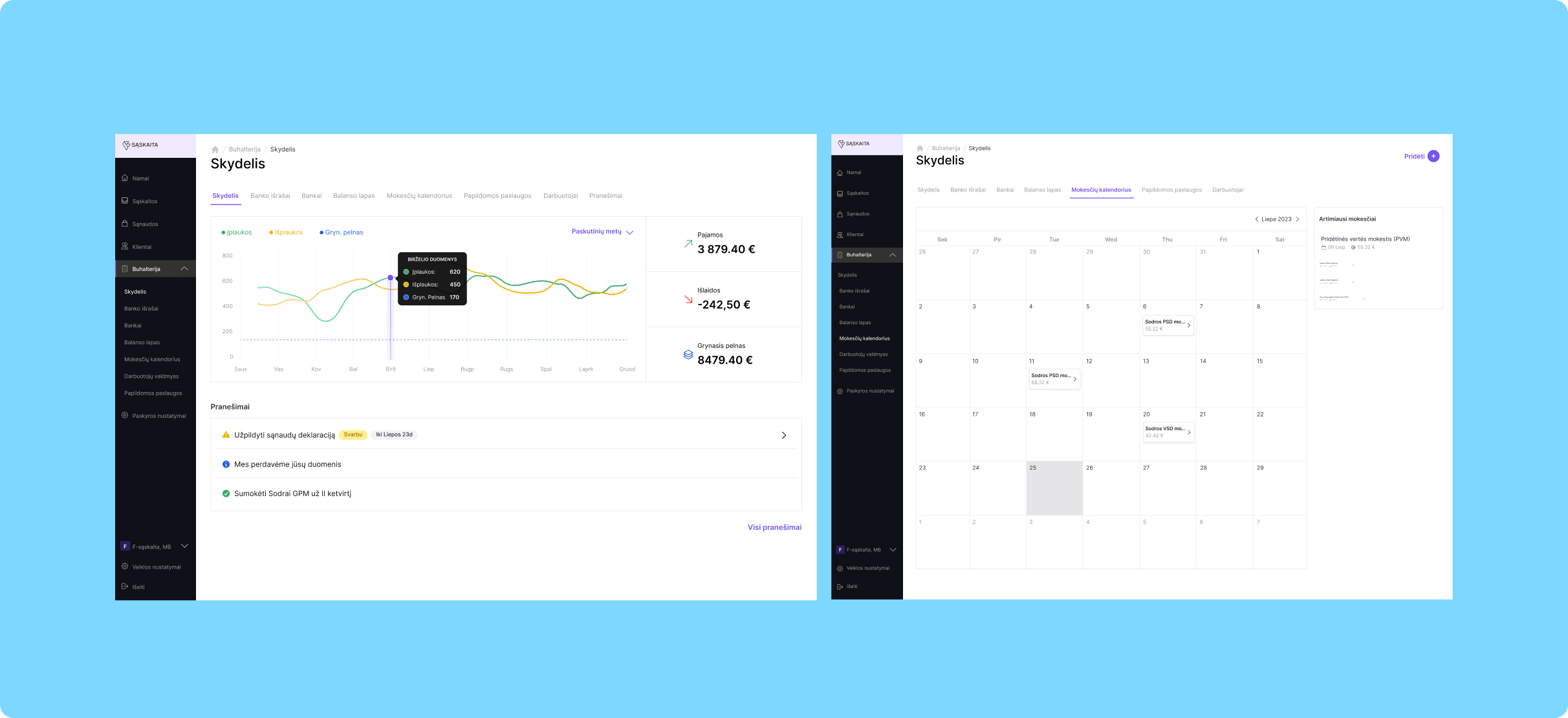
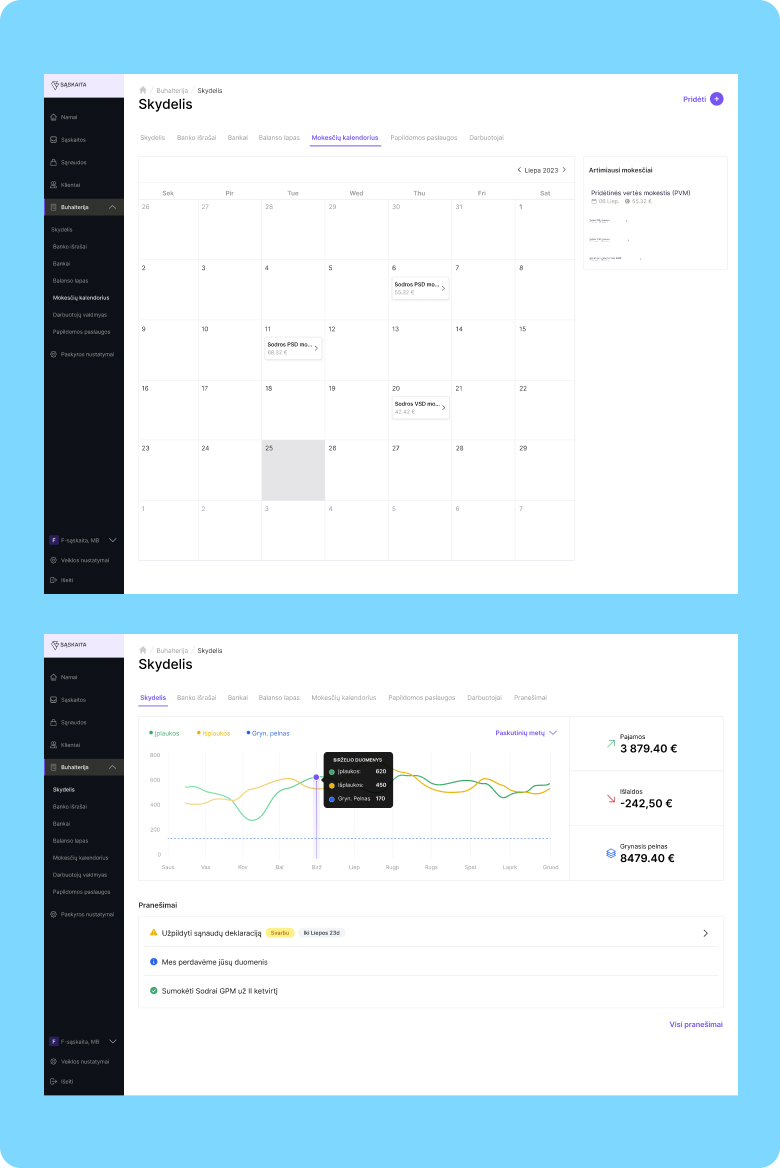
The dashboard answers one question at a glance: how is my business doing? An income-versus-expenses chart sits up top with headline figures for revenue, costs, and profit. Below, unpaid invoices and a notifications area surface what needs attention, like an upcoming tax declaration. Built to be read in seconds.
The Invoice Template Builder
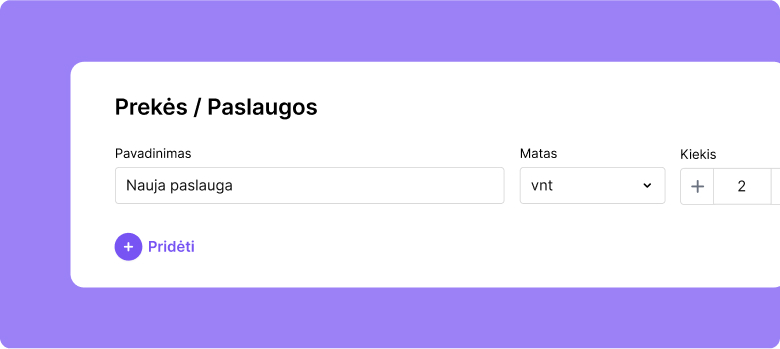
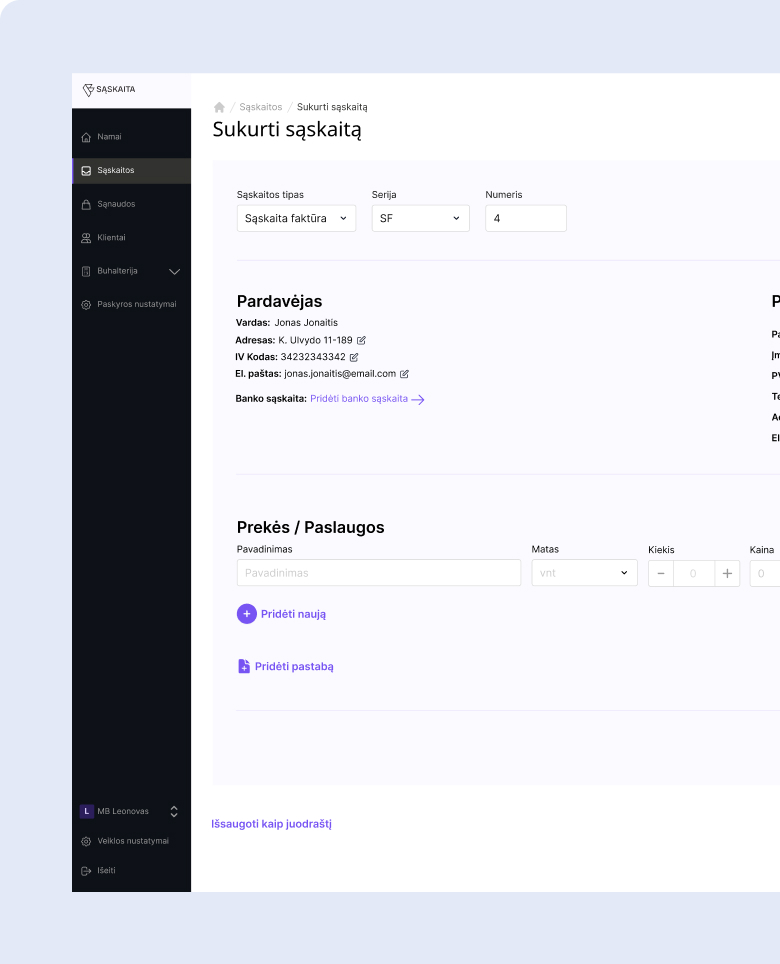
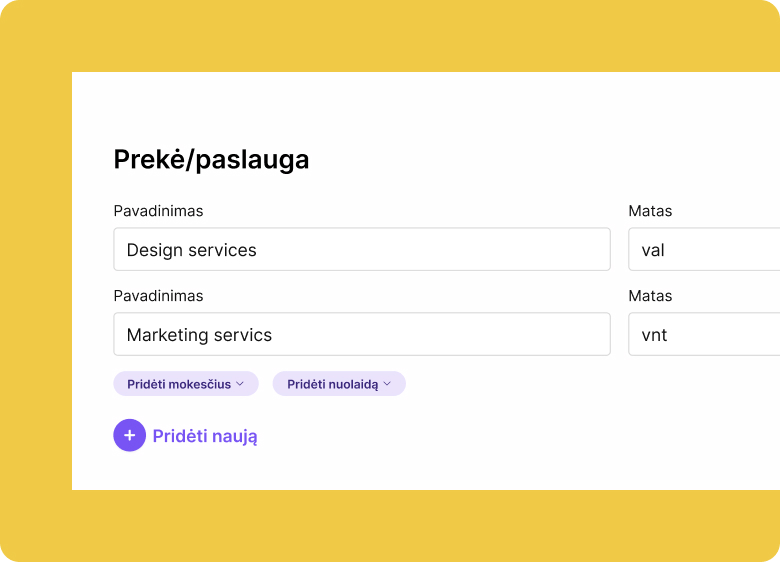
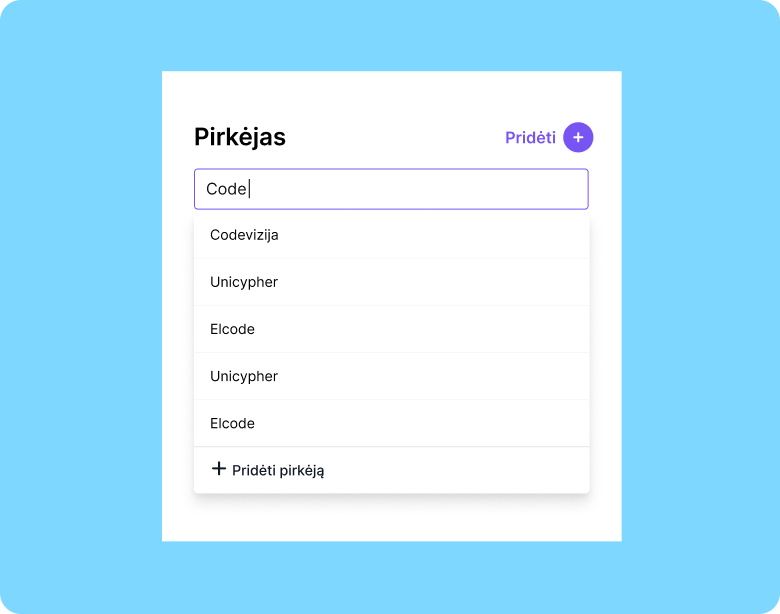
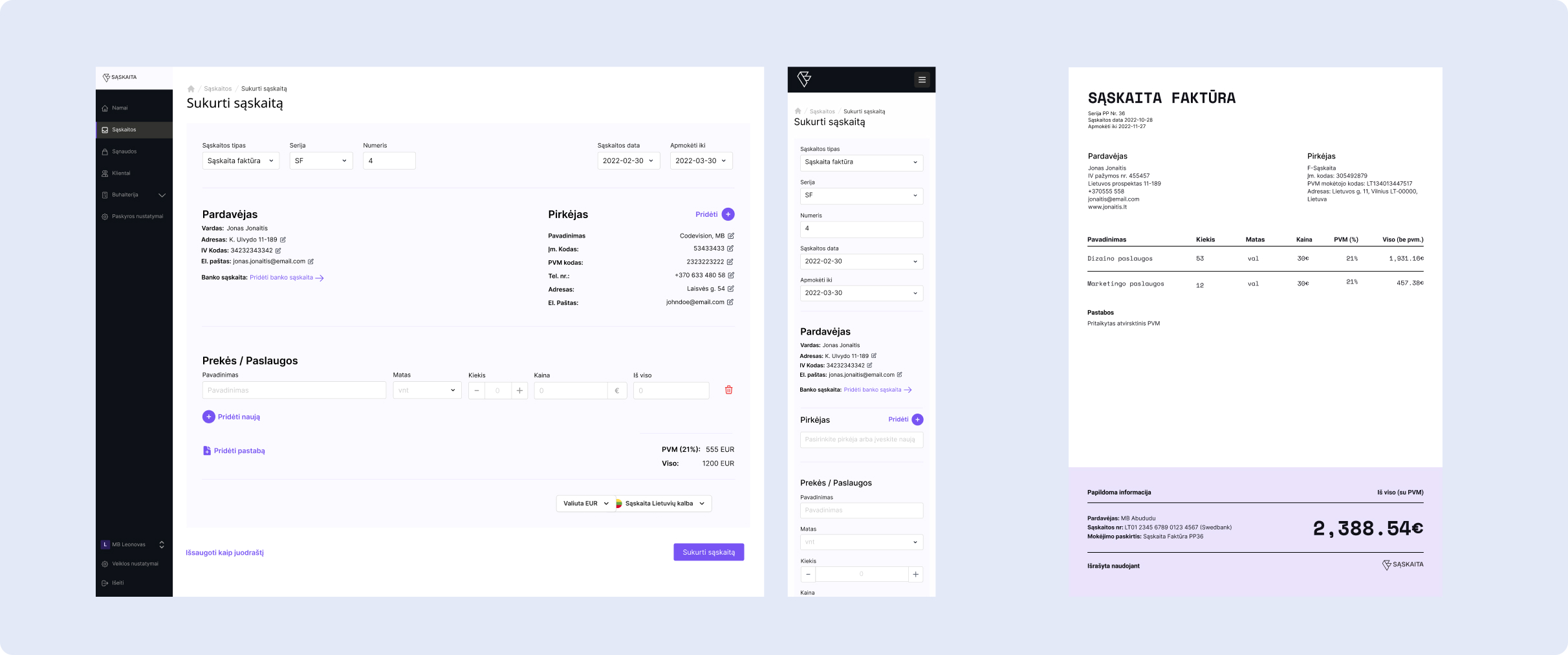
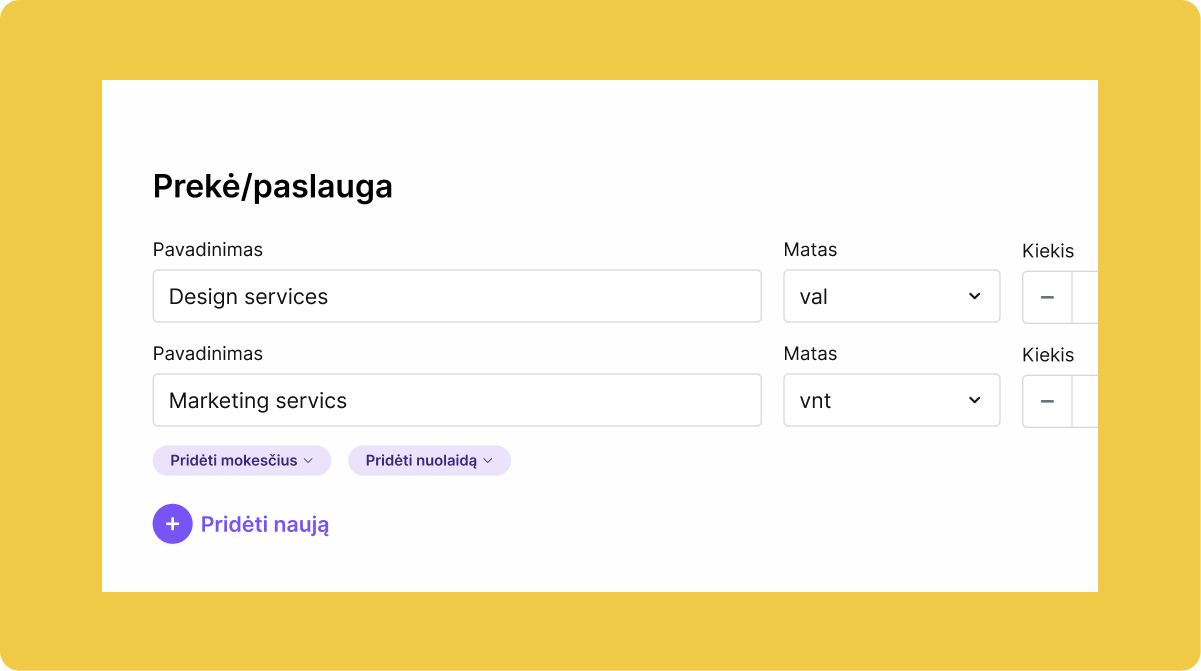
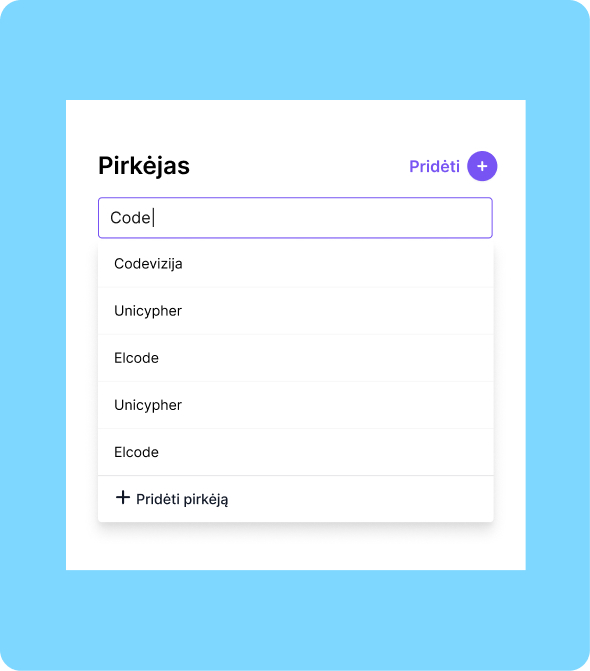
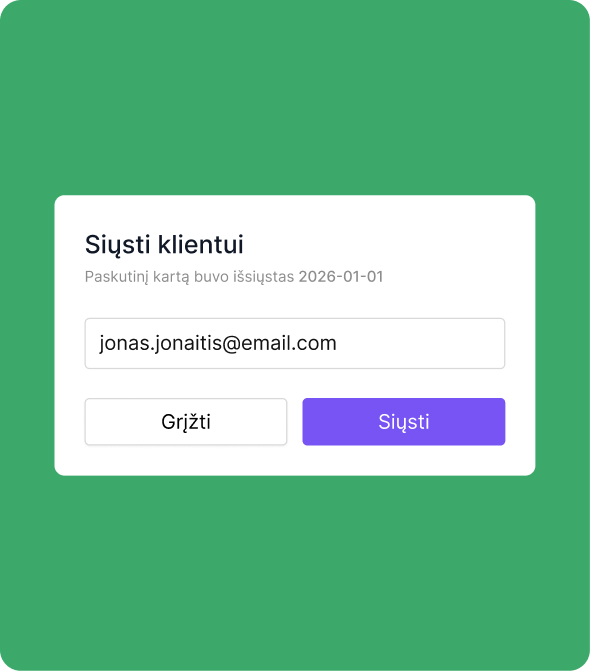
Invoicing had to work for a first-timer and a power user. The flow leads with the basics and pre-fills company details to save repetitive typing. The advanced layer is there when needed: line items, per-line taxes and discounts, notes, currency, and language. Complexity stays hidden until you reach for it.
It is something businesses send to their own clients, so they should feel on-brand. The builder lets users pick a layout, set fonts and colours, and add a logo, with a live preview alongside. A polished, custom document without needing a designer.
Accounting: Tax Calendar and Balance Sheets
The Phase 2 centrepiece. A tax calendar lays out what's due and when, with clear reminders, because interviews showed taxes were the biggest source of anxiety. Balance sheets and bank statements sit alongside, all in plain terms, so a founder with no accounting background can trust nothing important is missed.
The AI Expense Tracker
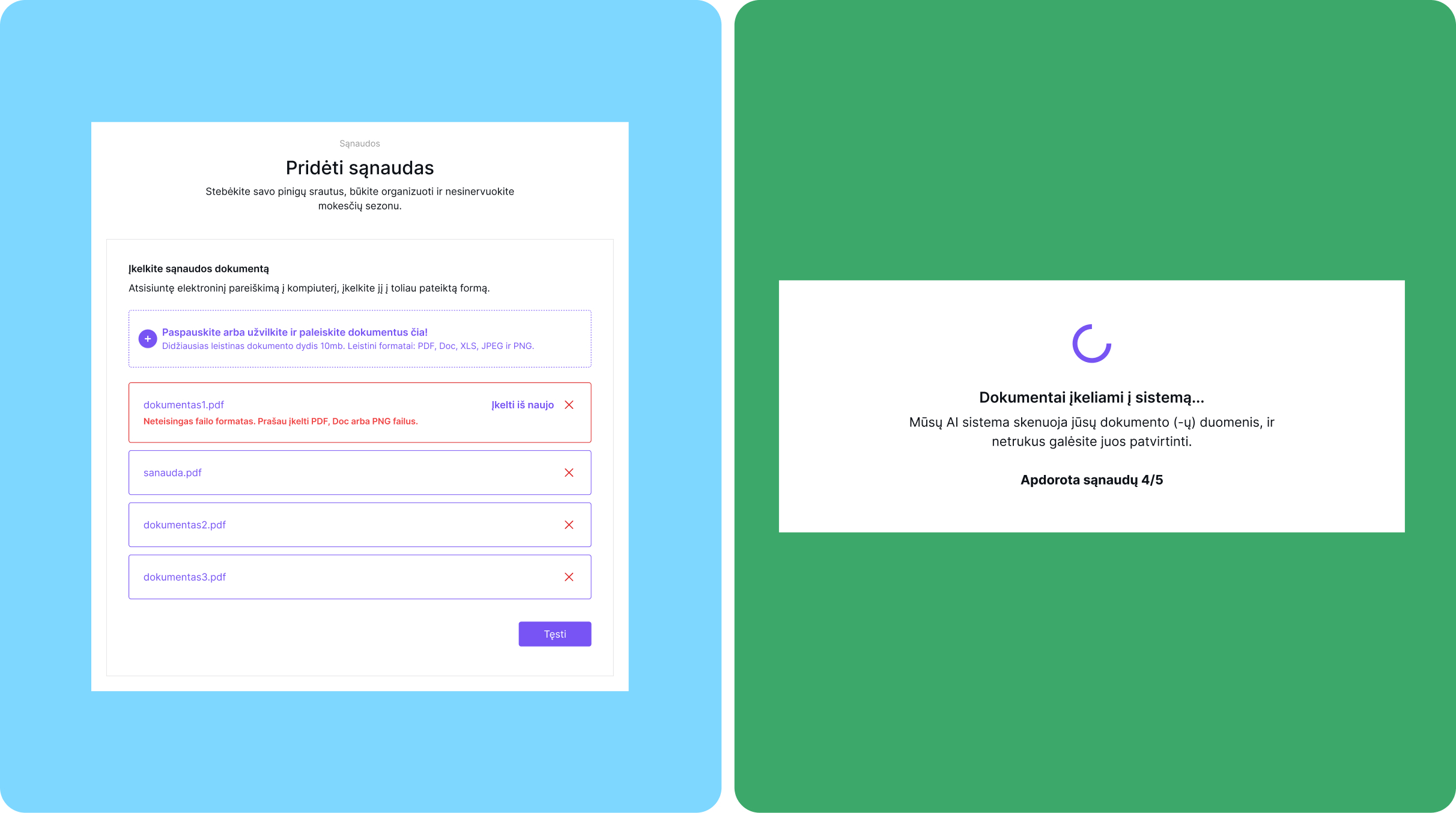
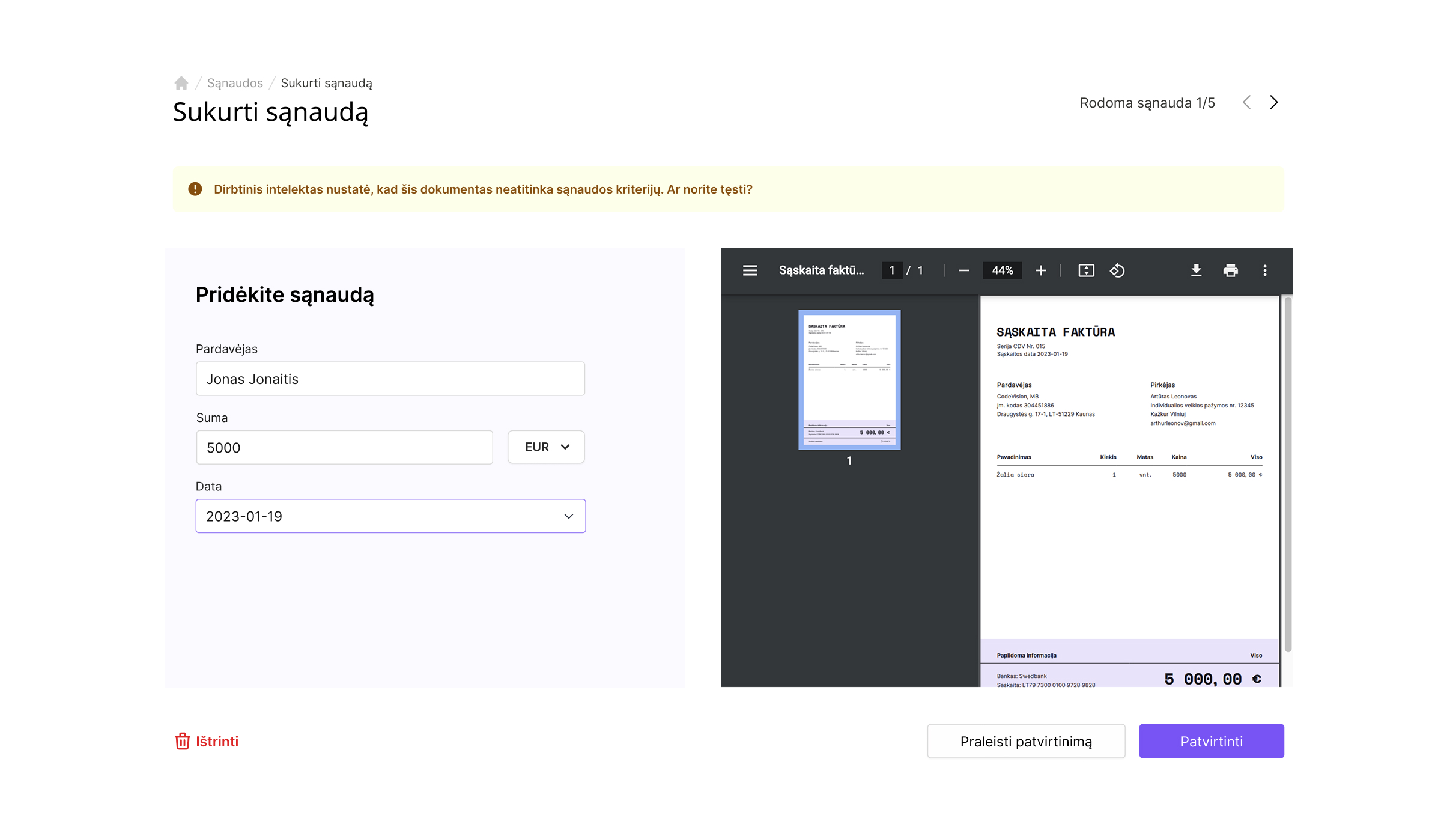
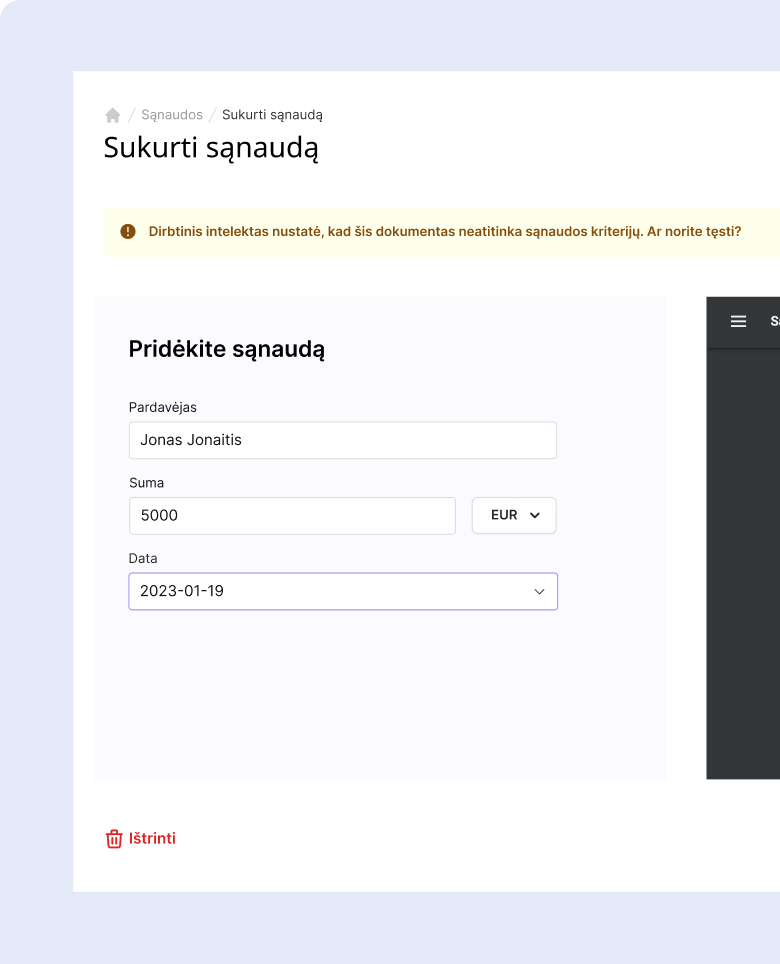
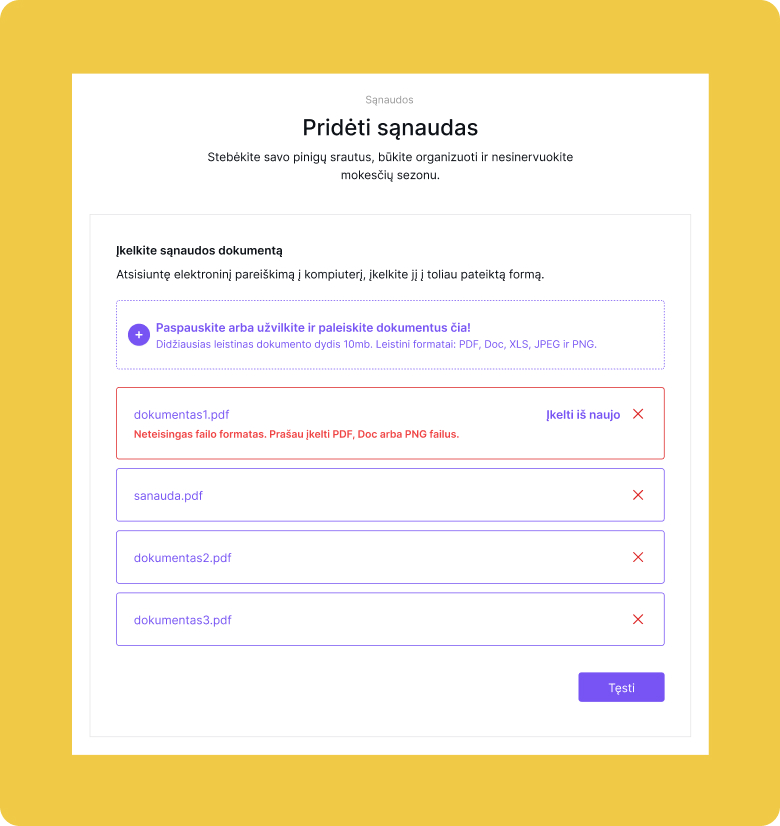
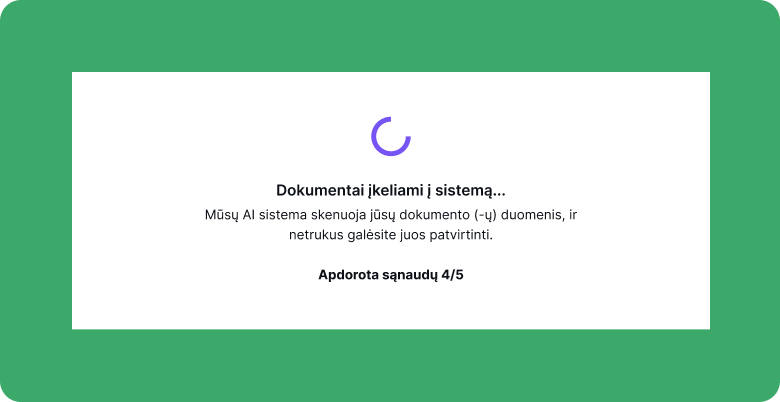
Where automation does the heavy lifting. A user drops in a document (PDF, photo, or scan) and the system reads it, extracts the details, and files the expense. I designed the full flow: upload, multi-document handling with error feedback, AI processing, and success. It removes the most tedious part of bookkeeping.
Process and AI Workflow
The work split in two: figure out the business case, then design against it. To keep a large scope shippable, we phased the rollout, basic accounting first, then employee management, then fuller automation. AI supported the thinking, synthesising interviews, structuring the PMF frameworks, and formatting customer profiles, so I could spend my time on judgment.
5000+
Active users
8% MoM
Product is growing and is profitable
6
Core product areas designed end to end